Filler Reviews

Drs. Tom van Eijk
Filler reviews can help you compare clinics and practitioners, but the star rating alone is not enough. The most useful reviews explain what was treated, who performed the treatment, how the consultation went, when the result was assessed and how the clinic handled follow-up or concerns.
Look for patterns across several recent and relevant reviews rather than relying on one especially positive or negative experience.
Reviews can help you understand how previous patients describe a clinic, but they cannot guarantee that you will receive the same treatment or achieve the same result.
This page focuses specifically on how to read and compare filler reviews. If you want to understand what patients may experience during the treatment journey itself, read about filler experiences.

What can filler reviews tell you?
A useful filler review provides context rather than just a score.
It may help you understand:
how clearly the consultation was explained;
whether the patient's expectations were discussed;
which treatment area was involved;
whether the practitioner appeared to listen to concerns;
how aftercare was explained;
whether the clinic remained contactable afterwards;
how the patient felt about the result;
whether similar comments appear repeatedly across reviews.
A review becomes more useful when you know what happened and why the reviewer reached their opinion.
How to read a filler review
- 1 Check which filler treatment was reviewed
- 2 Check the treatment area
- 3 Identify the practitioner where possible
- 4 Look at when the result was assessed
- 5 Read what happened during consultation
- 6 Look for information about aftercare
- 7 Compare recurring themes
- 8 Consider the star rating last
How to read filler reviews properly
Check what treatment was actually performed
Do not assume every filler review is relevant to the treatment you are researching.
Someone reviewing lip filler may have had a very different consultation, treatment plan and follow-up from someone having under-eye, cheek or jawline filler.
Check who performed the treatment
A clinic may have several practitioners. A review involving one practitioner should not automatically be interpreted as a review of everybody at that clinic.
Where the review identifies the practitioner, consider that information alongside the practitioner's profile and relevant treatment experience.
Check when the patient judged the result
Timing matters.
A review written immediately after treatment may describe a different stage from a review written after the initial treatment reactions have settled.
Look for reviews that make the timing reasonably clear rather than assuming every result comment refers to the same stage.
Look at consultation quality
Reviews mentioning the consultation can help you understand whether patients felt:
listened to;
able to ask questions;
given realistic expectations;
informed about the proposed treatment;
comfortable declining or delaying treatment.
These comments often tell you more about the clinic's process than a general five-star rating.
Look at aftercare
Useful reviews may also explain what happened after treatment.
Look for comments about:
clear aftercare instructions;
how to contact the clinic;
whether questions were answered;
whether follow-up was available;
how concerns were handled.
Look for patterns, not isolated phrases
One person's experience should not automatically define a clinic.
Instead, look for recurring themes appearing independently across several reviews.
Repeated comments about clear communication or good follow-up may provide useful context. Repeated concerns about rushed consultations or poor communication may also deserve closer attention.
Is the written review more important than the star rating?
Usually, the written detail gives you more useful information.
A five-star rating does not explain:
what treatment was performed;
who carried it out;
what the patient expected;
when the result was assessed;
how the clinic handled questions;
whether follow-up was needed.
A lower-rated but detailed review can sometimes provide more useful information than a perfect rating with no explanation.
When comparing ratings, also consider:
how many reviews are available;
how recent they are;
whether they mention fillers specifically;
whether they relate to the treatment area you are considering;
whether the same themes appear repeatedly.
The rating is a useful signal. It should not be the whole decision.
Understanding positive and critical filler reviews
What makes a positive filler review useful?
A positive review is most informative when it explains why the patient was satisfied. Look for comments about consultation quality, realistic expectations, communication, treatment planning and aftercare rather than general praise alone.
Can a negative filler review still be useful?
Yes. A critical review can show what happened from the patient's perspective and how the clinic responded. One negative comment does not automatically indicate a wider problem, but repeated similar concerns may deserve closer attention.
Should you trust a clinic with only five-star reviews?
A high rating can be encouraging, but it should still be considered alongside the number, recency and detail of the reviews. Ratings alone do not establish treatment suitability or practitioner experience.
Are very short reviews useful?
They may still be genuine, but they provide limited context. Detailed reviews identifying the treatment, consultation and follow-up are normally more useful for comparison.
Does the review date matter?
Yes. Practitioners, staff and clinic processes can change. Recent reviews may better reflect the current experience, while older reviews may help show longer-term patterns.
Why filler reviews should be compared by treatment area
A general filler review is not equally relevant to every treatment.
The starting anatomy, treatment goal and proposed plan can differ substantially between areas such as the cheeks, jawline or under-eyes.
When possible, compare reviews from people discussing the same treatment area you are researching.
Look for context about:
what the patient wanted to change;
what area was actually treated;
whether other areas were treated at the same time;
when the patient judged the result;
what the practitioner explained beforehand;
whether follow-up was required.
The treatment-specific pages explain the procedures themselves. This page should remain focused on how to interpret the reviews.
Compare current UK filler reviews
Now that you know what to look for, use the review blocks below to compare relevant patient comments.
Do not look only at which clinic has the highest visible rating. Read several reviews and compare their detail, recency, treatment area and recurring themes.
Latest filler reviews
Thank you 🙌 Show less »
Whether it’s an eyebrow lift, fillers, or any aesthetic treatment, his results are always incredibly natural, balanced, and tailored to me. I’ve seen and tried practitioners in different countries over the years, but no one has ever come close to Dr. Marco’s expertise, precision, and eye for detail.
He always takes the time to listen, gives honest advice, and never recommends anything unnecessary. I leave every appointment feeling like the best version of myself rather than looking overdone, which is exactly what I love.
If you’re looking for someone who truly understands facial harmony and consistently delivers beautiful, elegant results, I couldn’t recommend Dr. Marco more highly. He’s simply the best. Show less »
is she talented but she is also such a wonderful person. I used to come to these appointments with so much anxiety and now I look forward to those appointments. I am confident I am in the right hands for the first time in years. Show less »
Recently, I went to see her about my lips. I had existing lip filler from a previous clinic that was not looking its best. Dr Amy was brilliant—she clearly explained why the old filler looked the way it did and gave me honest, expert advice. Following her recommendation but under no pressure to do so I chose to have the old filler dissolved. I returned two weeks later to have them re-filled, and both procedures were completely painless.
I am very happy with the results and Dr Amy has an incredible eye for detail. She is professional, highly skilled, and makes you feel completely safe. I cannot recommend her and Muse Medical enough! Show less »
Very professional service, I’ve had lip fillers, cheeks and chin. Absolutely love the results
HIGHLY RECOMMENDED ⭐️⭐️⭐️⭐️⭐️
Lip filler reviews
When comparing lip filler reviews, check whether the reviewer explains what they wanted from treatment and when they judged the result.
A comment focused only on appearance immediately after treatment provides less context than a review discussing the consultation, expectations and follow-up.
Lip filler reviews
Chin and jawline filler reviews
Lower-face reviews should be interpreted according to the area actually treated.
A chin treatment, jawline treatment or combined lower-face plan may have different goals. Check whether the reviewer clearly states which area was treated before assuming the experience is relevant.
For dedicated information about jawline treatment, see jawline fillers.
Chin filler reviews
Not only is she the epitome of professionalism, she is also one the kindest people I know.
When I leave after a treatment I feel and look refreshed. Possibly the best version of myself at this period of my life.
I actually look forward to the whole experience and would recommend Absolute Image to anyone considering aesthetic enhancements. Show less »
Cheek filler reviews
Cheek reviews are more useful when the original treatment goal is clear.
One patient may be discussing cheek volume, while another may be describing greater cheekbone definition. Those are related but not identical reasons for treatment.
Compare the goal, consultation and timing rather than the rating alone.
For treatment information, read about cheekbone fillers.
Cheek filler reviews
Not only is she the epitome of professionalism, she is also one the kindest people I know.
When I leave after a treatment I feel and look refreshed. Possibly the best version of myself at this period of my life.
I actually look forward to the whole experience and would recommend Absolute Image to anyone considering aesthetic enhancements. Show less »
Under-eye filler reviews
Under-eye reviews require particularly careful comparison because not every under-eye concern has the same starting cause or treatment plan.
Pay more attention to comments about:
consultation quality;
realistic expectation-setting;
practitioner communication;
follow-up;
when the patient judged the result.
Do not assume another person's under-eye experience predicts whether treatment would be appropriate in your circumstances.
Read more about under-eye fillers.
Under-eye filler reviews
Having my treatment done by a doctor immediately put me at ease and I felt comfortable throughout.
I'm so happy with my results – they look amazing and exactly what I wanted. The lip injections were a little more painful than I expected, but then again, what did I expect? They're injections! Dr Sanam has already said that next time we can use a dental block, which has made me feel much better about having them done again.
I would definitely recommend Dr Sanam to anyone considering aesthetic treatments. Show less »
The results exceeded my expectations, and I couldn’t be happier with the improvement. Thank you, Dr. Ria!🙏🙏🙏 Show less »
I cannot express how pleased I have been with every treatment I have received. Dr Roxanna's skill and technique are exceptional, consistently delivering natural looking results. I never feel rushed during appointments and everything is clearly explained. I cannot recommend her highly enough! Show less »
Filler before and after examples
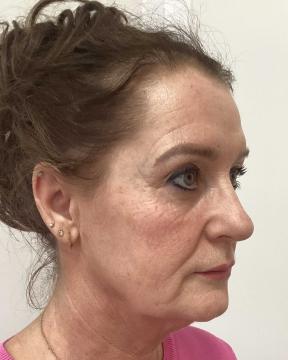
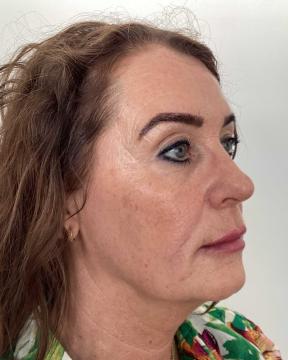
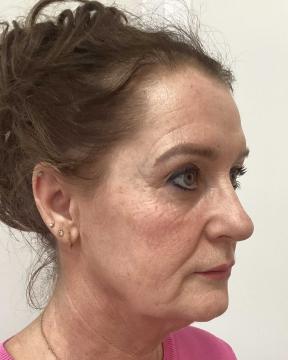
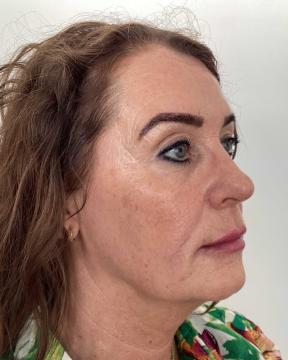


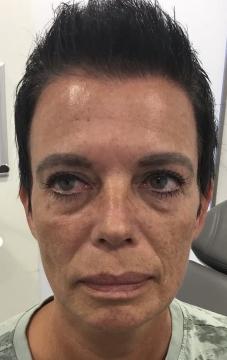
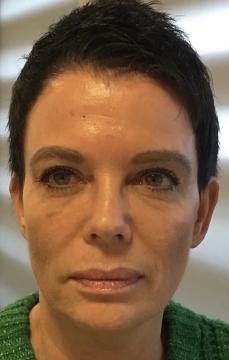
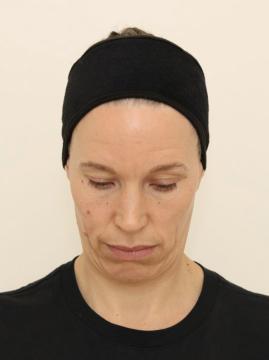
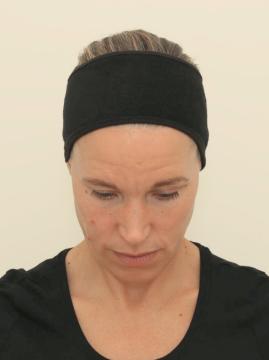
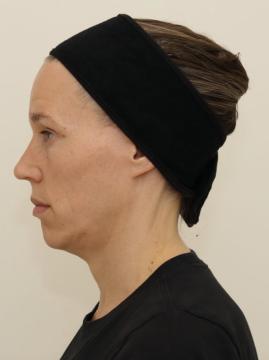
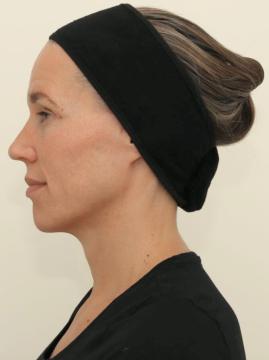
How should you use before-and-after photos with reviews?
Reviews and before-and-after photos answer different questions.
A review may tell you how someone experienced the consultation, treatment and follow-up. A photograph may show a visible example of a result.
When viewing photos:
check whether the treatment area matches what you are researching;
avoid assuming another person's starting anatomy is comparable to yours;
consider whether the images appear to have consistent lighting and positioning;
remember that a photograph cannot show consultation quality or aftercare.
Neither reviews nor before-and-after photos can predict your individual result.
For more detail, see fillers before and after.
How to check the clinic behind a filler review
A positive clinic review should not end your research.
Before requesting a consultation, check who would actually perform the treatment and what information is available about them.
Look at:
practitioner name;
professional background where verified;
relevant experience with the treatment area;
how the consultation is structured;
how risks and limitations are explained;
follow-up arrangements;
who can be contacted if concerns arise.
Injectablesbooking clinic and practitioner profiles can bring relevant provider information together so you can compare more than review scores alone.
For a broader clinic-selection framework, read how to choose a filler clinic.
Compare clinics in United Kingdom

- Filler from
- £ 250,00



- Filler from
- £ 250,00


- Filler from
- £ 250,00

- Filler from
- £ 250,00

- Filler from
- £ 250,00

- Filler from
- £ 250,00

- Filler from
- £ 250,00

- Filler from
- £ 250,00
Frequently asked questions about filler reviews
Are filler reviews reliable?
They can provide useful context when they are recent, specific and detailed. Reviews still describe individual experiences and cannot guarantee another person's treatment or result.
What makes a filler review useful?
Useful reviews often identify the treatment area and describe the consultation, communication, timing of the result, aftercare and reason for the rating.
Is a five-star filler clinic automatically the best?
No. Look at the number, recency and detail of reviews alongside infrmation about the practitioner, consultation and follow-up.o
Should I compare reviews for the same treatment area?
Yes. Reviews involving the same treatment area are normally more relevant because expectations and treatment plans differ between facial areas.
How many filler reviews should I read?
There is no fixed number. Read enough recent reviews to identify recurring themes rather than relying on one particularly positive or negative comment.
Should I ignore a clinic because of a negative review?
Not automatically. Read the details, check whether similar concerns appear repeatedly and consider how the clinic responded where a response is visible.
Are recent filler reviews more useful?
They may better reflect the clinic's current practitioners and processes. Older reviews can still provide useful longer-term context.
Can filler reviews predict my result?
No. Results depend on individual anatomy, assessment and treatment planning. Another person's experience cannot predict your own result.